Conviction

writer-605764_960_720

Whenever there are dirty dishes in the sink, I get that itch. You know the one. It’s that unsettling desire to clean and disperse the dishware. This itch translates to empty cups or bottles in the living room, to my own clothes strewn anywhere outside of the laundry basket. It applies to all manner of house, car and life chores. It feels good, too, satisfying that itch. It’s akin to being productive, to accomplishing something worthwhile.

But it’s not worthwhile. I just washed the damn dishes. Who cares? There will be another batch tomorrow and even more the day after. Completing a chore is not productivity. It’s just participating in another battle in a never-ending war on grease spots. Those good vibes that come with securing the sink perimeter are just an illusion to take me away from my real task: writing.

That’s the real battle. You want to be successful at this? You want this to someday be your bread and butter? You need to write every single day, and I haven’t been. I find chores to overcome. I socialize, watch TV, play video games even. When I sit down at the writing desk, I excuse myself to make sure the next issue of Literary Orphans is coming together smoothly.

Rest assured, we’ve got a great team over LO, so the magazine is fine. It just needs a little bit of maintenance every now and then, like sorting through Submittable, e-mailing authors and making sure the hackers haven’t plowed through LO’s defenses.

Hell, I infrequently update the home site, as you can probably tell. It’s been more like a dumping ground these past few months and less like a beacon of activity. I’d tell myself I’m working on it, but there’s also that realization that said comment is pacifying in nature.

A few weeks back, we had a problem with our freezer at casa de Waldyn. We had someone who knew appliances head over to fix our problem. It took him, Mike, a few hours, but he managed to solve our internal drainage issue. Afterward, Mike and I talked for a little bit — about society, people, politics. He was a pretty smart, thoughtful guy, but before he left, he brought the conversation back around to the reason he was over in the first place. That damn freezer. It was a difficult one, one of the trickier jobs he’s had, and he suspected we were delayed in getting it fixed.

Mike offered some life advice that seemed like a no-brainer statement at first. He said, “If you see a problem, it’s better to take care of it right away. Don’t sit on it. It’s only going to get worse.”

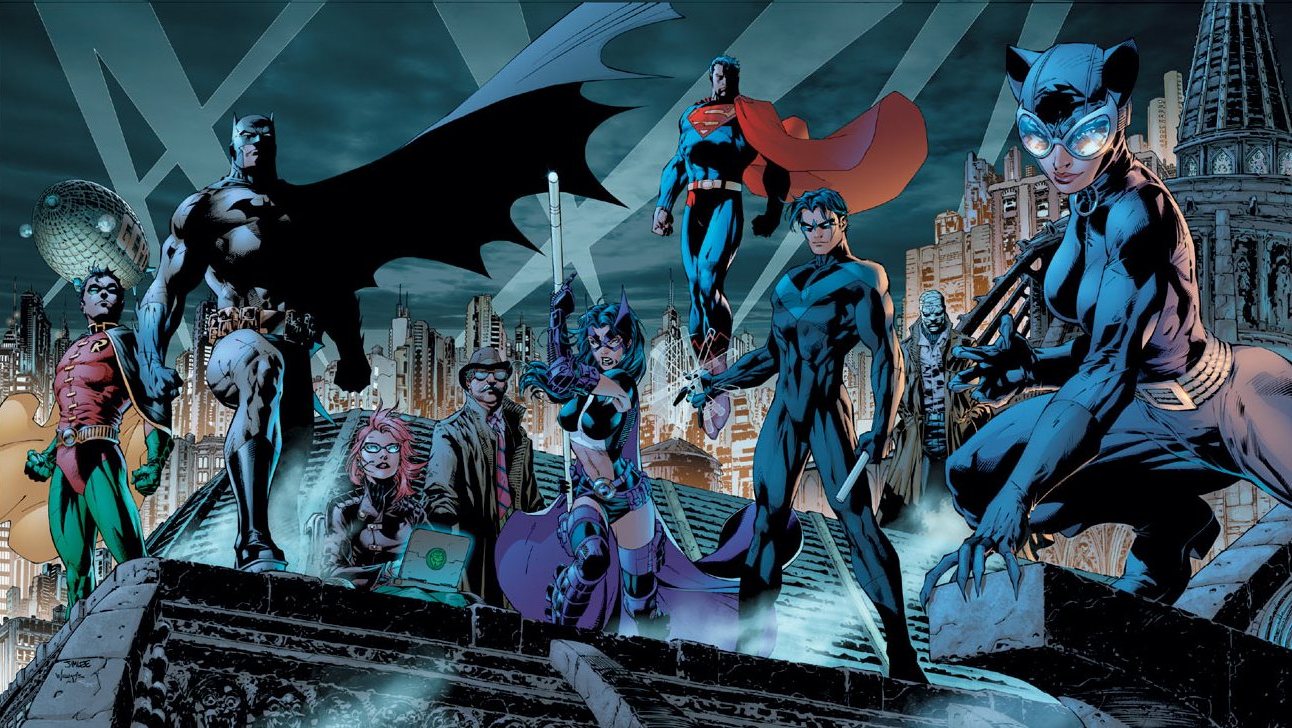
Those words stuck with me. They seemed so simple, but there was a broad application for them. As I thought about them more and more, I began to apply them to other areas of my life. Then it hit me. My writing was the problem. Every chance I got, I found a way to walk away from my writing. Dishes. Literary Orphans. A burnt-out lightbulb. Anything. And then I thought about how I’m not just writing for myself anymore, how I have a wife now and how we’re talking about building a family. It isn’t just me anymore; it isn’t just Batman in his Batcave. It’s us; it’s a greater Bat family.

Batman_Family_0004

I’ve done some analyzing of my writing in the past week or so, and I’ve realized one important key: I’m way too easily distracted by the Internet. This is a common problem many writers struggle with, and to curb this penchant for prowling the web, I’ve gone back to writing everything out by hand, first. So far, I’ve already written out a draft of a short story and begun a new novel. In one week, I’ve conceptualized an interesting, fresh concept for a sci-fi book and written two chapters. These aren’t skeletal frameworks. These are honest-to-goodness, real, genuine chapters (they could probably use some major editing though).

The change seems to be working, but it’s on me, on us, on you, the readers, to understand the real problems we’re all succumbing to. The more we find loopholes of productivity to avoid writing, the greater our struggles will become and the less likely we’ll ever be able to Chuck Yeager that writing barrier. This is our exit window, and it’s closing ever-so-slowly as the days go by.

Let’s help each other stay committed. Tweet me, and I’ll tweet you. We can do this.
(Admittedly, that may be too damn peppy, but you get the gist.)

Summer Updates

download

I’ve had “I Love It” by Icona Pop stuck in my head for most of this week, which is a clear indicator that it’s summer. Why? Because it just sounds like summer. It sounds like the perfect party song, that recognizable tune you hear blasting at graduation parties when the smell of the backyard barbecue permeates the air. It breathes life, and summer events are the very essence of life. Coincidentally, “I Love It” is also a song that has been deeply embedded into the far reaches of my psyche because I dared to see that Kevin Costner 3 Days to Kill movie once.  In the film, the tune is used as a cell phone ringtone, so it plays often.

Editor’s Note: The above comments are in no way intended as an endorsement of 3 Days to Kill. The opinion of this writer is that said movie is “fun/bad,” the kind of movie you watch with a few buddies after a couple of beers. It won’t knock your socks off, but it might unintentionally make you laugh. 

Now that I’ve related my penchant for Icona Pop, it’s time for the latest updates.

  • I was interview in The Review Review.
  • I reviewed Keanu a moon or two ago on Drunk Monkeys.
  • A fiction piece of mine, “Following Orders,” was also featured on Drunk Monkeys.
  • Issue 24 of Literary Orphans, Audrey, also hit the interwebz. It’s in reference to the man-eating plant from Little Shop of Horrors, and you can read why this was chosen as our orphan in the Letter From The Editor.
  • A NONFICTION piece of mine will be featured on The Weeklings come July 7th! Woohoo!

Spring Updates!

DMAWith the impending nuptials coming up (in just over a week) and everything else I’m doing at the Literary Orphans fun factory, I haven’t had time to sit down and write for the personal site. That said, I do have a few fantastic updates to share, the biggest one being the Drunk Monkeys Anthology! My essay on Star Wars Episode IV: A New Hope is included in the anthology, which is available on Amazon in PRINT and EBOOK.

It’s truly a phenomenal honor to appear alongside such a wonderful line-up. Much respect and appreciation is owed to Matthew Guerruckey and the entire Drunk Monkeys staff. They’re wonderful, warm and friendly people, and I’m happy to call them both colleagues and friends. Whether we’re talking shop or racking our brains over comic books, it’s always a great time.


OTHER UPDATES

Motivation

motivation

When I write, I write for me. I write for fun. I write for entertainment and peace of mind. It’s satisfying, and the act of writing helps keep me sane.

But writing for an audience of one isn’t good enough. It’s selfish, and it isn’t the motivator I need to keep at it consistently, instead of writing when I “have the time” or “just for fun.” Simply put, if I stay the course, I’ll never go anywhere with it.

This hit me today while driving to work. The theme song to that movie Ben shuffled onto my iPod—a very young Michael Jackson’s voice stirring something deep within my soul. I watched that movie only once, in fifth grade, because our teacher put it on. I don’t remember why. I just remember it was about some lonely child befriending Ben, the leader of an army of rats on the advance into town. Their friendship was one of those relationships doomed from the start, as they came from two worlds at odds with each other. Ben’s rats killed humans. Humans killed Ben’s rats. Even though forces were at work to tear them apart, Ben and the boy’s friendship endured.

The movie is probably terrible now that I’m older,  but it’s the sentiment that counts. The memory. I’m reminded of it whenever that song shuffles on. And every time, I think of my loved ones.

I’ll be married in two months to an amazing woman. Eventually, the two of us will have a family of our own. So who am I writing for?

I can’t keep writing for me.

The ability to write is a gift. It’s a craft we, as “writers,” chip away at. Some of us are more obsessive about it than others, and the more we hone the skill, the better we become. It’s our special tool, and it’s completely wasted when exclusively used for the self. The one. The individual.

I want to use it to better my family.

I want to write, so I can use my tool, my gift, to put food on the table. I want to take this gift and give my family the best possible future. The idea that this is greater than myself makes it harder for pen to leave paper. The thought of providing, of using this talent for the benefit of my loved ones, inspires something more important than leisure. It inspires duty. Necessity. Devotion.

Writers often say one can’t go into writing for the money. I agree. It’s a very risky business. The odds of profitability are stacked against the individual, and more often than not, we may be left writing things that don’t interest us even when we succeed.

But very few enjoy the tedious monotony of work, so why not spin the barrel of the gun and play Russian roulette with our gifts anyway? We can take the chance. The more devoted we are, the better our odds will be. With devotion, dedication and drive, we’re betting on the house, our house, to win.
//platform.linkedin.com/in.js

Poor Jud Is Dead

Okies

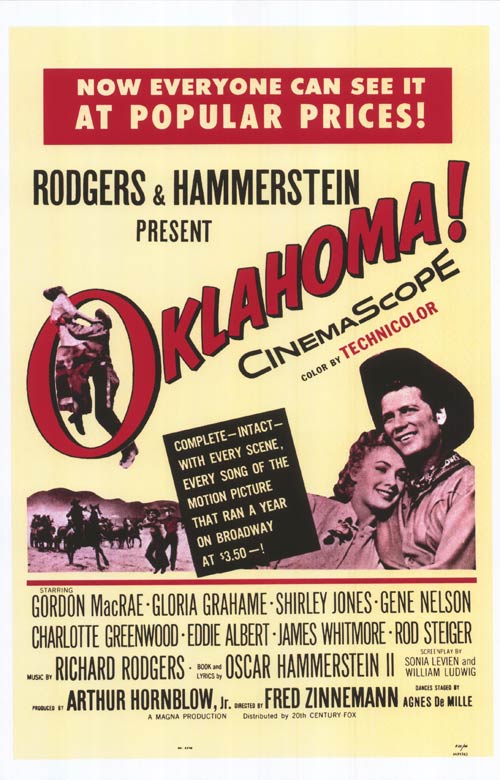
When the throes of campaign season are upon us, I’m often reminded of a musical I tend to strongly dislike. It’s called Oklahoma!, and it’s about the struggle over the source of two men’s affections, Laurey Williams. It’s considered a classic, written by the famous musical dynamic duo of Richard Rogers and Oscar Hammerstein II, and I dislike it because I can’t stand the protagonist, Curley McLain. He’s the all-American meathead asshole. He’s boisterous, self-aggrandizing, outspoken and selfish, evident by a scene where he tries to remove his competition for Laurey by trying to convince the other party (Jud Fry) to hang himself.

But everybody loves Curly. Every person in town (except Jud) sings Curly’s praises, and yet, as an audience, we don’t see Curly do much beyond puffing his own chest. Jud, on the other hand, is cast as the roadblock to everything Curly wants and the main antagonist. Jud’s crime? He’s a loner weirdo who lives on the outskirts, and nobody likes him. This breeds obsession in Jud to protect what’s his, and it drives him to act erratically and ultimately violently when the woman of his dreams switches sides and joins team McLain.

Oklahoma! is a simple story we’ve seen played out over and over again. The “good guy” overcomes the “bad guy” and saves the girl. Everybody in town cheers, not really bothered that it took someone’s death to resolve the plot. And since it’s a musical, people break into well-choreographed bouts of plot-driven dancing.

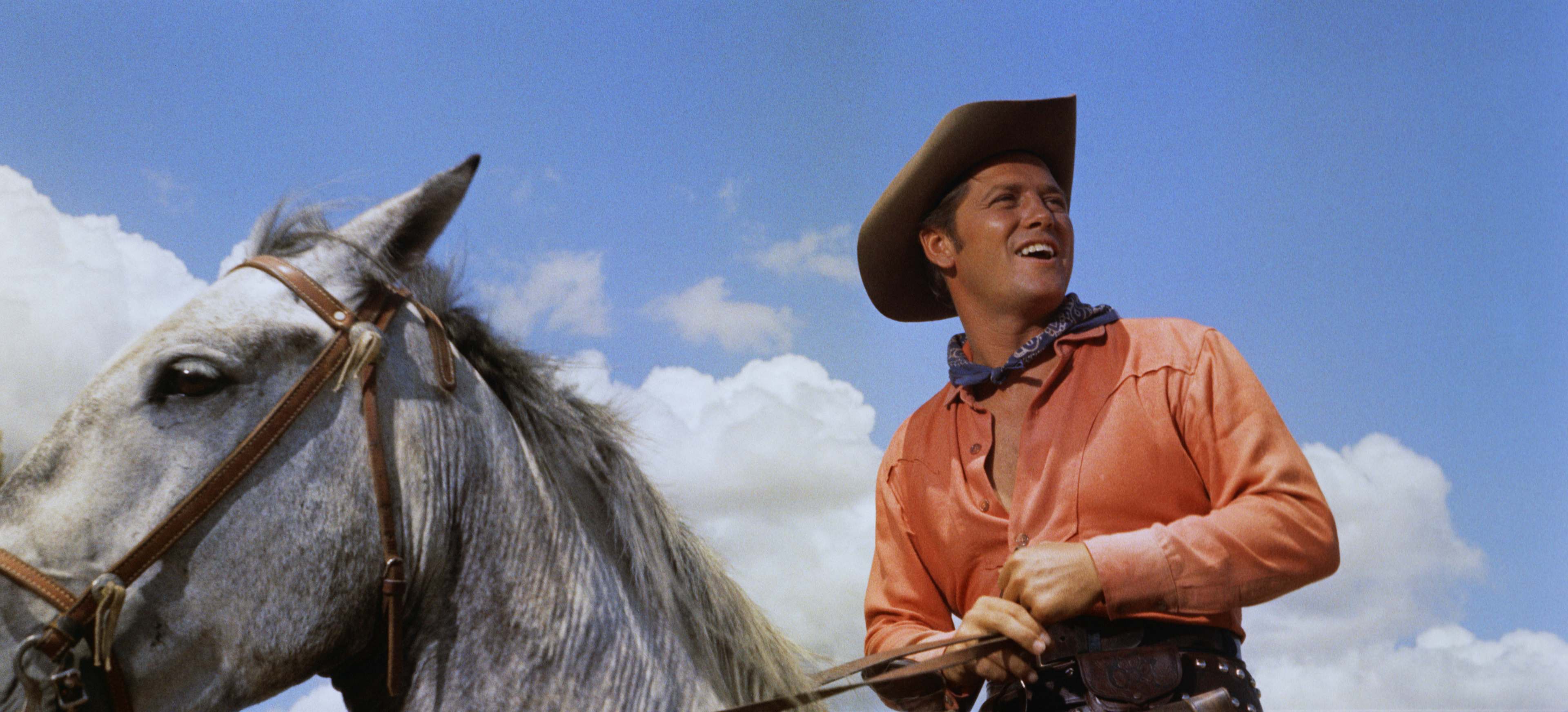
Ok1When I first saw Oklahoma!, I didn’t necessarily like what I watched, but there was something about it that embedded it deep within my brain. It was the Jud character. In the production I saw, Jud was a tall, tubby oaf. He looked like a walking egg, and he dressed in what appeared to be burlap sacks. These were our cues to join the townspeople in hating him, and these were the reasons we had to suspend our judgment when Curly took the coward’s road in trying to convince Jud to hang himself, thereby securing an indirect route to freeing up Laurey as a partner at the local dance.  It was a heavy-handed tactic for such a petty end result, but Jud was the burlap sack-wearing oaf, so…

Nobody thought Curly bad or wrong or evil for his promotion of suicide. None of townsfolk rethought their support for everyone’s favorite cowboy. It was a strange experience for me, and sitting in the audience, I couldn’t help but balk at some of my fellow attendees who were cheering for Curly. And near the end, when Jud turns violent, the exultations of joy emitting from my fellow attendees reached a crescendo.

“See?!” they cried. “Jud IS the bad guy!”

Though strange as this experience was for me, it’s not entirely out of the ordinary. In fact, it’s a very human thing to do and is something we do all of the time.

Think about it. More often than not, we create our own enemies. When we consolidate into exclusionary groups, when we chastise people for differing politic opinions or lifestyles or interests, we’re pushing Juds to the far reaches of society. We’re fueling the fire, piecing together ticking time-bombs who will own venture deeper and deeper into that black abyss we claim to stand firmly against.

I see it often around election season on Facebook. I see it in the comment sections of topical news stories. I see it in public when people are waiting in line to see a movie. People gang up on each other, some choosing to even to go so far as to publicly shame the person they were having a heated argument with. Though we might feel “right” because our values are reinforced by our friends, family or that one Salon.com article that agrees with us, doing these things aren’t exactly helping us. Even if we’re reacting to a fight we didn’t start.

At the end of the day, these battles are dividing us. They’re pitting us against ourselves, pocketing us into exclusionary groups that can be easily marketed to. Who wins when the town has been gerrymandered into cliques too busy with ousting one another over bullshit Facebook trends? Unscrupulous, silver-tongued opportunists with something to sell. Self-indulgent Curlys not beholden to any one group or way of life.

If someone in town brought a bottle of whiskey to Jud’s shack with the offer of simply hanging out, Oklahoma! might not have ended the way it did. The musical certainly didn’t need to end violently. It was only a date to a dance, after all.

As a species, I often feel that we’re getting better at being human, that we’re evolving. I’m an optimist like that, and I hope that one day I’ll see an adaptation of Oklahoma! that doesn’t end with one person trying to knife the other, that the townspeople learn their lesson and discover a way to break bread with that loner weirdo on the outskirts of town.

I won’t hold my breath for Curly realizing he’s an asshole, though.  I won’t hold my breath for finally liking Oklahoma!, either.
//platform.linkedin.com/in.js

Holiday Updates!

It’s been busy over this holiday season. With the workload hitting me heavy, reviews needing writing, editing jobs to finish and finding time to scrounge up some creative writing of my own, I’ve been buried under many, many tasks. I haven’t had much time to catch up on the fun things I like doing… like writing at the personal site. Hopefully work will ease up enough to where I can get back to this regularly, but in the meantime, I have a couple of updates I’d like to share.

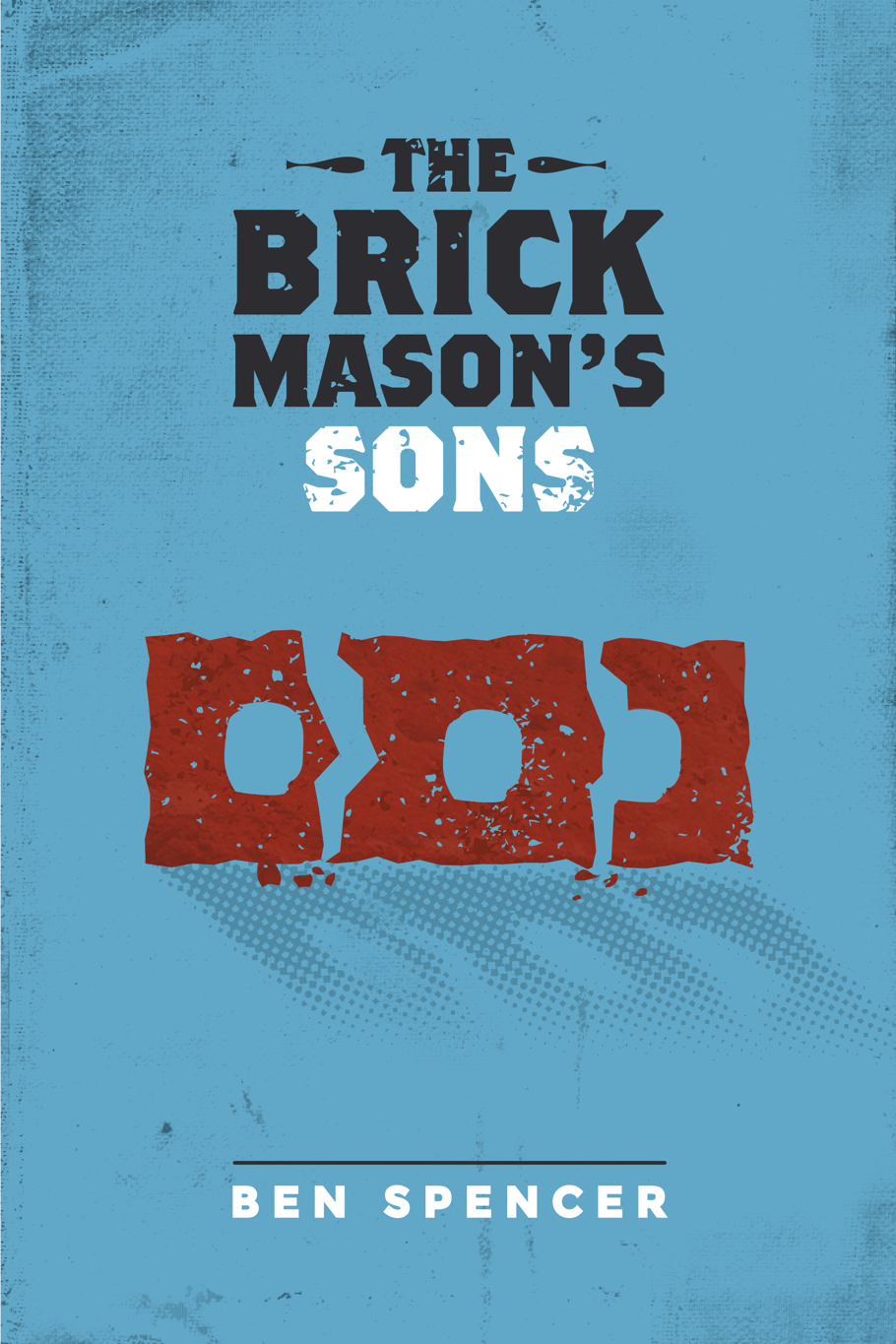
613feea389b5c723-brick_masons_RGB-01

The Brick Mason’s Sons

Several months back, a writer I greatly respect asked if I would write a blurb for his upcoming novel. To say I was honored was an understatement. I was floored. It was the first time anyone ever asked me to write a blurb. M-m-m-me?

I’ve since read the book, The Brick Mason’s Sons,  twice now (it’s really damn good), and I only hope my blurb does it justice. You can find it over at his website at BenSpencer.org or buy the book from Amazon and read the blurb from the back cover. I recommend the latter, as it’ll be a great addition to any personal library.


Literary Orphans Issue 22: Jane

The December issue of Literary Orphans is LIVE. It’s spectacular! One of the best we’ve ever done with stupendous and stunning artwork. It’s also the first time we’ve released a regular issue in December. Check it out!

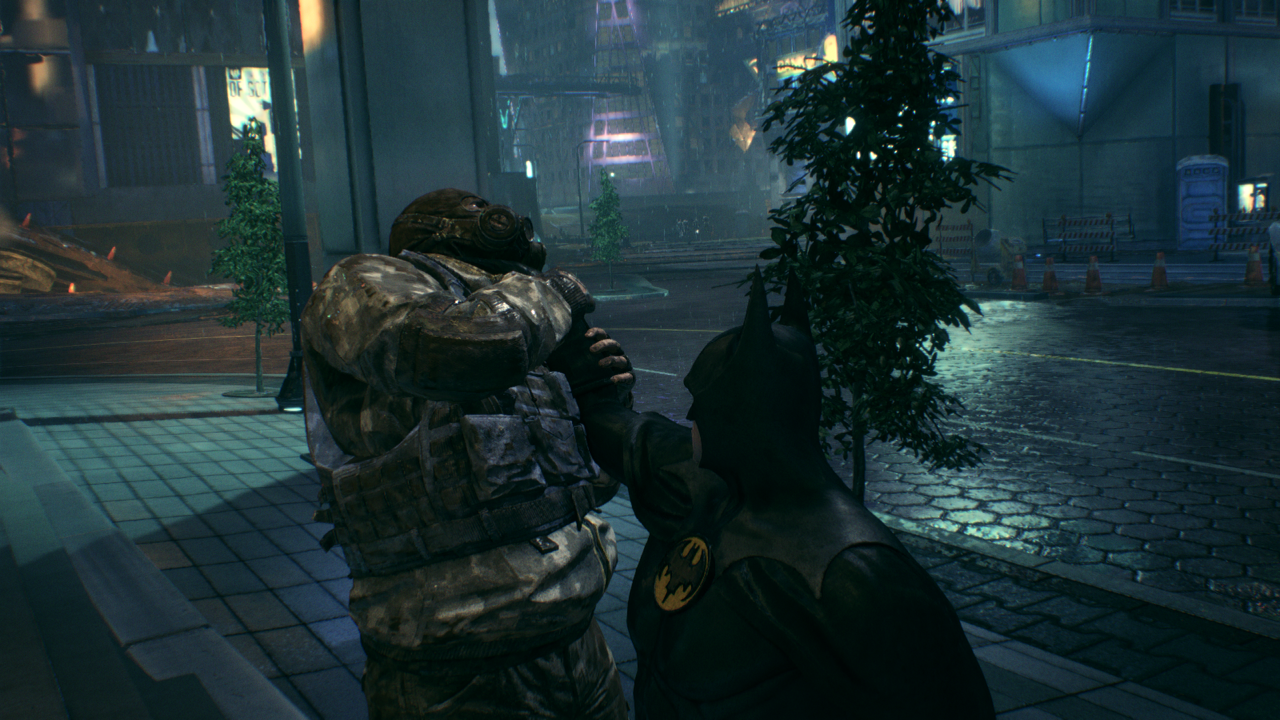
‘Arkham Knight’ Isn’t the End for the ‘Batman: Arkham’ Series

BatmanArkhamKnight

It dawned on me during the Robin: A Flip of the Coin DLC, spawning from something Oracle kept repeating during the game. She kept honing in on Robin’s similarities to “him,” to the former Batman that once protected Gotham City. It was innocent enough at first — a quip to keep dialogue going and add a layer of story to a pretty simplistic episode. The repetitious, however, made me wonder: Oracle what are you really suggesting?

And that’s when it dawned on me.


All of these little 12-minute episodes Rocksteady has been releasing? All of these minor campaigns starring supporting characters that take place primarily after the events of Arkham Knight? These aren’t just clever microtransactions for Bat fans. These DLC story packs are clues. Think about it. While Rocksteady may be “done” making Arkham games, the franchise is far from over, and Warner Bros. knows it. There are more stories to tell, more arcs to pull from recent Batman comic book history.

What that silver-tongued Oracle was suggesting goes beyond Robin’s duty to protect Gotham from Two-Face in A Flip of the Coin. Her references to Robin being like “him” are posturing. It’s setting Tim Drake (Robin) up for a possible run at the mantle of the Bat. We, as the gamers, are supposed to think about it, to mull over the idea of Tim Drake donning that classic cape and cowl.

But there’s more.

Red Hood? Nightwing? Catwoman? Harley Quinn? All of these short DLC story packs take place either before or after Arkham Knight. Harley Quinn’s story directly ties into how Poison Ivy winds up in Gotham in Arkham Knight. It’s a fun side-story and nothing more than background information for rabid fans. Catwoman’s story is a follow-up to her captivity under The Riddler. Again, another side-story. In the Red Hood and Nightwing stories, much like in Robin’s, we see three members of the Bat family taking up the reigns of a city without a Batman. Two of these Bat family members even have their own teams. Robin has Oracle reporting (presumably) from the clock tower, and Nightwing has Lucius Fox reporting from Wayne Tower. Nightwing and Fox even make a passing joke about all of the parties Fox is throwing, now that Fox owns everything. (Hint. Hint.)

And Red Hood? Some fans have argued that the Red Hood DLC story pack is a nod to the comic story Batman: Under The Hood, since the DLC features Black Mask as the villain. What’s unclear about the Red Hood story pack is when it takes place. Is it before the events of Arkham Knight? Is it after? We have no official ruling, but I personally feel this story takes place after the main game. Why? Because Batman didn’t know Jason Todd (The Red Hood) was alive until mid-way through Arkham Knight. No one in the Bat family knew, nor any of the villains, except for maybe Scarecrow. Even the best “ghosts” leave footprints somewhere, and since this game features Jason Todd’s big return this version of Batman’s timeline, to Gotham, I’m thinking Todd hasn’t picked up the mantel of the Red Hood until after he made amends with Batman. And with Batman now gone, it would be the perfect moment for Black Mask to make his move back into his old stomping grounds. Not to mention, placing the Red Hood story after the events of Arkham Knight fits in perfectly with the idea behind Robin and Nightwing’s stories. All three former Bat children are working independently to quell Arkham rogues looking to seize control, once again, of the city. These heroes are each bearing the burden of Batman, each positioning themselves to take a shot at wearing the cape and cowl.


What’s the next logical step then? 

“Arkham: Battle for the Cowl.” Think about it. A game divided up among three teams, each one  staking a claim and solidifying a foothold in Gotham. Robin has Oracle’s network. Nightwing has Lucius Fox’s financial backing and hideaways. Red Hood, the gun-toting former sidekick who was taken away from the family tree, has a more permanent solution to the criminal problem. Each one of them is different from the other, and each one has a legitimate claim to the bat-eared crown. These DLC vignettes weren’t just 12-minute teasers; they were clues showing us each one of Batman’s “offspring” operating on his own terms.


 What about the Batgirl DLC though?

Ahhh, yes. Batgirl: A Matter of Family. The story is clearly set before Arkham Knight, as it takes place when The Joker was still alive. Beyond that, it has nothing to do with the rest of the game, other than it shows the budding relationship between Batgirl and Robin. The core narrative is mostly a one-off tale featuring Batgirl in an abandoned amusement park that isn’t on the Arkham Knight map. The only thing I can make of it is that it’s a nod to what may be The Joker’s last laugh. In A Matter of Family, The Joker wants to rid Gotham of the “Bat frauds” (Batgirl and Robin). He wants to dissolve the family. In the wake of the Nightwing, Robin and Red Hood story packs, it seems The Joker finally got his wish. The team is fragmented, operating independent of each other. Is it poetic? Maybe. Admittedly, it’s a bit of a stretch.

Still, all other signs tease a battle for the cowl. We’ll have to wait and see what December’s Season of Infamy brings.

Star Wars, Updates & General News


I saw SPECTRE with my brother over the weekend, and I thoroughly enjoyed myself. Before the film, however, the new trailer for Star Wars Episode VII: The Force Awakens played. It was one of those rare moments in a theater where I was overwhelmed with emotion. When that slowed down version of Han and Leia’s theme hummed as the Millenium Falcon weaved through Imperial debris, I’ll admit, my eyes watered. I looked over at my brother, and I could see it in his eyes, too.

There we were, two grown men in a matinee showing of a James Bond film, succumbing to a flood of imagery reminiscent of another time, so very long ago.

I never thought I’d see the Millenium Falcon (or its crew) on the big screen again. After the original Star Wars trilogy ran in theaters for the last time in the mid 90’s, I thought that was it. No more. Finito. Finished. Adventures with my childhood heroes would be relegated to the whims of my imagination at home. I’d have to carry on the tales alone with my action figures or pretend when reading a piece of glorified fan fiction. Harrison Ford, Mark Hamill, Carrie Fisher, Peter Mayhew and Billy Dee Williams were still around, but they had moved on to different things. Indefinitely.

But here they were again.

I know many people feel the same. The Internet is overflowing with reaction videos, blog posts and articles about this, and it all boils down to the same idea: our old friends are back.

They were a big part of our collective childhood. They were our heroes, teaching us the ways of the galaxy, the power of attitude and ability to reach out and overcome the impossible. These heroes were plucked from the richest well of imagination, and they were given to us to share visions of another way of experiencing the world around us. To put it simply, they brought us magic and the gift of perspective.


Chewie


I’ve been away for some time, learning the ropes of my new promotion as manager of my copy department (at the day job). I’m back now, bringing with me a wonderful discussion with the fine folks at Drunk Monkeys about Star Wars Episode III: Revenge of the Sith. I’m not a fan of the prequels, but I do my best to make amends, to find peace with this lackluster trilogy.

I have more in the pipeline, too. At the end of the month, a “writing tips” column will pop up at Drunk Monkeys. With any luck, some more short stories should start appearing on the Internet.


GEEK PITCH: Spider-Man

Editor’s Note: GEEK PITCH is an irregular column on ScottWaldyn.com that re-purposes what would normally be a nerd-fueled fever dream into a movie pitch.


Ultimate-Spiderman-banner

We all know a new Spider-Man film is coming now that Spidey’s been welcomed to the Marvel Cinematic Universe (through a deal reached between Marvel Studios and Sony Pictures). With the little bits of news filtering through the pipeline, we’ve learned that Tom Holland is our new web-head, with Marisa Tomei as Aunt May. We also know that the joint film team is eyeing a new villain audiences haven’t seen on screen yet, with the rumor on the street fingering Kraven the Hunter as our criminal operator.

But that’s it. Beyond these small morsels, the doorway is wide open, with a plethora of questions waiting to be answered. Who will write it? What’s the story about? Are Sony and Marvel interested in reading a movie pitch from some guy on the Internet?

Before anyone can say no to that last question, I’m going to lay my cards out on the table. Take a moment to grab some popcorn or refill that soda. You ready?

AHEM.

In this universe, Peter Parker is still new to the dual identity game, having been Spider-Man for only a year. Uncle Ben has already passed, and the funeral is long behind Peter and his Aunt May. They’ve moved on, picked up the pieces, and are now making life work. At school, Peter is just another forgettable face, tucked away in a sea of students. Only Harry Osborn pays him any attention, and at that, it’s mostly to “study” Peter’s homework. It’s okay, though. Harry is dating Gwen Stacy, the nerd queen, science geek, and idol of Peter’s eye. When she comes over during their “study” sessions at the Osborn place, those few moments of nirvana are enough to keep Peter perilously toeing the line of expulsion.

Outside of school, Parker’s a low-level hero who’s a thorn in the side of common crooks, bank robbers, and police officers — he’s more of a nuisance than a revered superhero, frequently stepping on the toes of the local law enforcement. But Peter’s trying. He sees heroes like Iron Man, Captain America, and Black Widow, thinks of his murdered Uncle Ben, and dons the homemade Spider-Man mask anyway, looking for ways to aid New York however he can. It’s a compulsion at this point, a way to fill a void.

Continue reading

I, For One, Welcome Our Board Game Overlords

KentBrockman

There’s an epidemic spreading among the masses. It’s a plague with no physical symptoms. It carries no sores, no bruises, and no discoloration. It doesn’t make anybody stuffy, irritated, or drowsy. This disease works stealthily, hopping from one person to another, invisible to the naked human eye. The only sure-tell way to identify this sickness is when it’s too late. It’s when the epidemic has your friends, your coworkers, and your family locked down, submerged into a full-blown breakout with no way out.


Even then, I only know because they tell me. These loved ones finally feel the illness worming its way through their systems, and when it has made its way to their hearts, they lean in real close, their glossy eyes a snapshot of terror, and they whisper, “I don’t know how to tell you, but I’ve traded in my thumbs.”


“Your thumbs?”


“My thumbs. Both of them. I ain’t the jockey I used to be, brother. I feel different.”


It’s happened so many times, I don’t blink anymore. I just ask them to hit me with it. Straight.


“You ever play Settlers of Catan?”


Several years ago, I never thought board games would rise up and challenge video games. The idea seemed silly. What were board games? Monopoly? Sorry? Battleship? Checkers? These were mildly entertaining bonding activities simple enough that even Grandma could participate. These were toys for family parties, a means to pass the time without turning on the TV, and in that, board games were as cool as they were exciting.


But then something happened in the early 2010s that changed everything. A staple from my youth started to die out. What once was vogue in the world of video gaming became archaic. It was slapped with a label and lost in most modern games, relegated to a cultural motif of yesteryear. They call it “couch co-op” or “couch multiplayer” these days. It’s the notion of inviting friends over to game, sitting next to each other in the same room, and either working together or challenging each other through split screens on the TV.

Continue reading